

YET is not a passport for the whole Mediterranean.
The charters are done, the guests have flown home and the yachts are heading for their winter berths. For owners and managers, this is the quietest moment of the year, and the best one to look back on what worked and what did not.
At the 2026 Superyacht Law Summit, held at the Yacht Club de Monaco on 23 September, one of the four main panels focused on Mediterranean YET schemes. The message from that panel was clear: YET travels less well than many owners assume. As the summer season comes to an end, here is what we learnt and how to better prepare for the next one.
What is YET?
YET stands for Yacht Engaged in Trade. It is a structure that lets an eligible yacht be used in two ways: privately by its owner, and commercially for paid charters.
In practice, the same yacht can be the owner's holiday home for some weeks of the summer and a charter yacht earning income in others. That flexibility is why YET is popular. The catch is that each type of use comes with its own customs, VAT, flag and local charter rules, and those rules are not the same in every country.
Lesson one: one set-up does not fit every coast
The most common misunderstanding is to treat YET as a kind of passport that works across the Mediterranean. It is not. A structure accepted in France or Monaco cannot simply be assumed to work in the same way in Italy, Greece or another jurisdiction.
Each country applies its own reading of the rules, its own paperwork and its own view of when a yacht is being used privately and when it is being used commercially. An itinerary that crosses several borders in one season crosses several sets of expectations too.
Lesson two: the details decide
Speakers returned again and again to the practical details that make or break a YET season:
- Where each charter starts and where it ends.
- Where guests board the yacht and where they leave it.
- The yacht's customs status at the exact moment it enters a country.
- Whether a charter contract is already in force when the yacht arrives.
None of these is a formality. Together, they determine which rules apply and whether the yacht's use matches what has been declared.
Lesson three: Italy has new guidance
Italy's Customs Agency published Circular 11/2026 on 15 May 2026. It addresses non-EU commercial yachts, including YET yachts, directly.
Under that guidance, a non-EU commercial or YET yacht may enter Italian territorial waters under Temporary Admission for private use, provided no charter contract is in effect at the moment of entry and the stated conditions are met. In other words, the order of events matters. A yacht that arrives mid-charter is in a different position from one that arrives empty and starts a charter later.
How to prepare for next season
The off-season is the right time to plan, because decisions made now are much easier than corrections made in July.
- Map the full itinerary. List every country the yacht is likely to visit in 2027 and check each one's rules, not only the first stop.
- Sequence it right. Plan the order of entry, private use and charter start before the yacht enters each jurisdiction.
- Get itinerary-specific advice. Ask customs and charter specialists to review the plan before your cover is renewed or the first charter begins.
- Check your policy wording. Private, commercial and YET use should be clearly separated in your insurance schedule and should match how the yacht will actually sail.
For brokers, managers and advisers
Use the winter to check next year's charter contract dates against planned entry dates for every jurisdiction on the itinerary. Ask each carrier, in writing, how it treats YET and mixed private and commercial use in its policy wording. And make sure your team never tells a client that YET, on its own, solves VAT or charter questions.
Start next season ready
At Syndicate Risk Management Group, we review a yacht's use, itinerary and insurance cover together, so the policy matches how the yacht really sails. If you would like a confidential pre-season review, contact us at connect@srmg.co
Related insights

The Superyacht Insurance Guide: Costs, Coverage, and How Placement Works (2026)
SRMG's definitive 2026 guide to superyacht insurance — what it covers, what it costs, how agreed value works, and how placement is actually done through Lloyd's and specialty markets.

Red Sea reroutes are reshaping cargo cover
Eighteen months of Bab-el-Mandeb avoidance has turned emergency routing into a structural cost. What cargo owners need to renegotiate before the 2026 renewal cycle.
Marina pollution claims are quietly trending
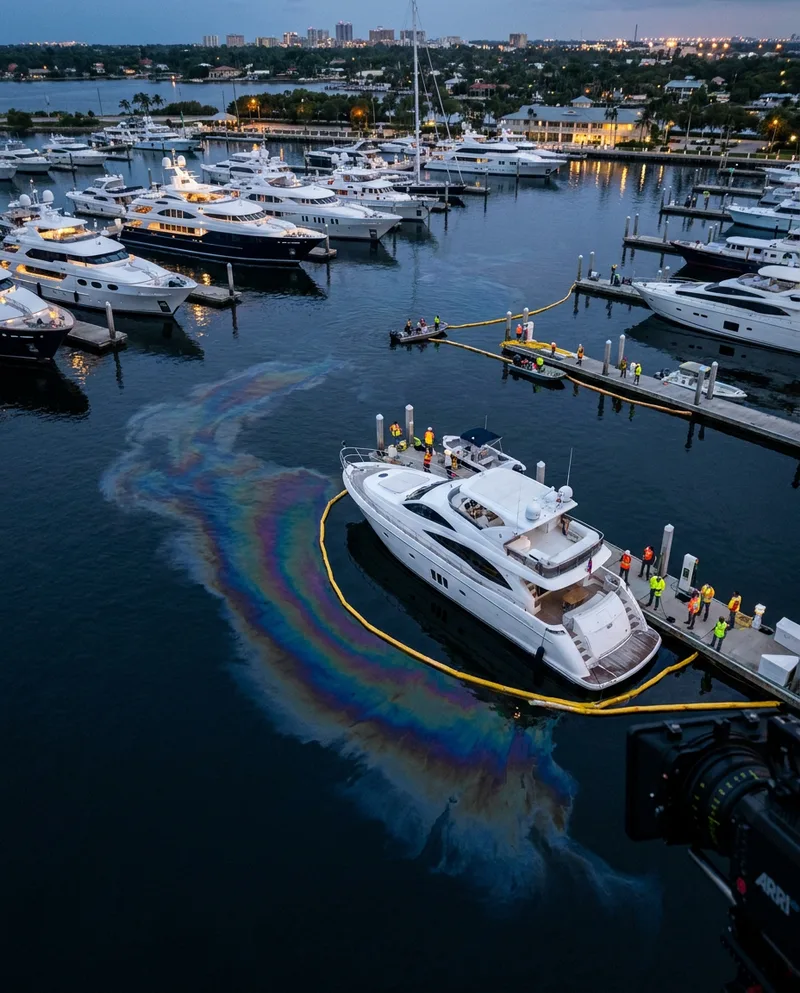
Three fuel-transfer pollution claims in South Florida this quarter, all in private marinas, all triggering MOLL deductibles plus state environmental fines. What every yard operator should audit before their next renewal.
Cyber clauses no longer optional for charter operations
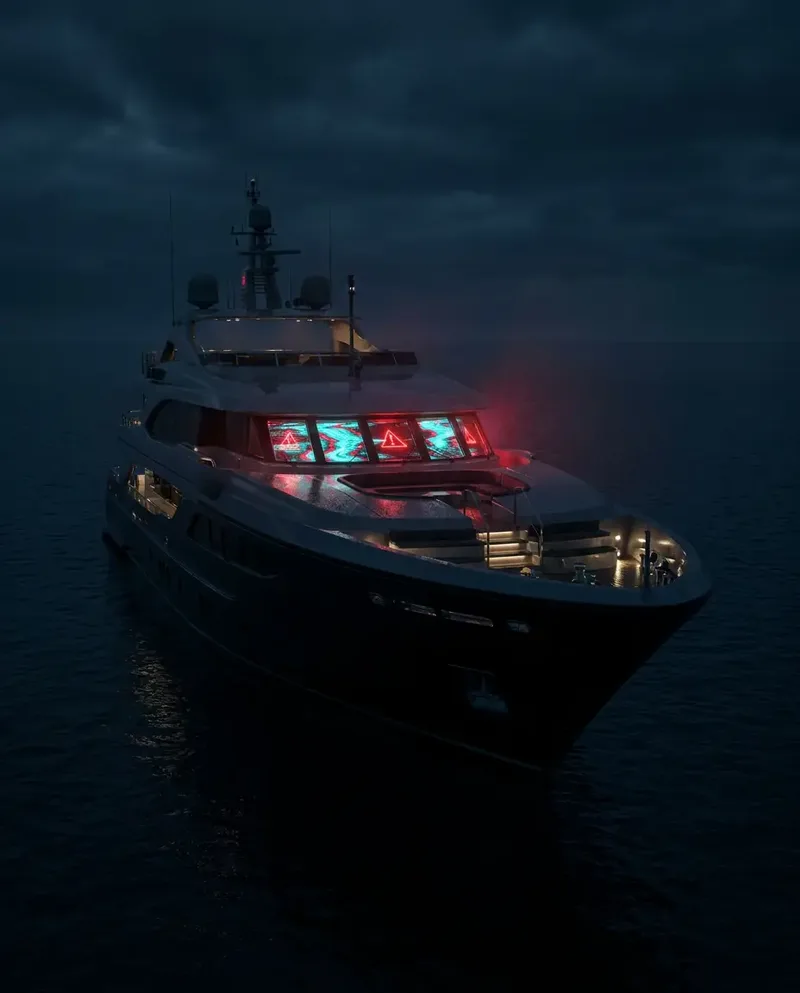
Onboard ECDIS spoofing incidents are now triggering claim disputes on standard marine wordings. The affirmative cyber, buy-back, and OT endorsements charter operators need before the season starts.