
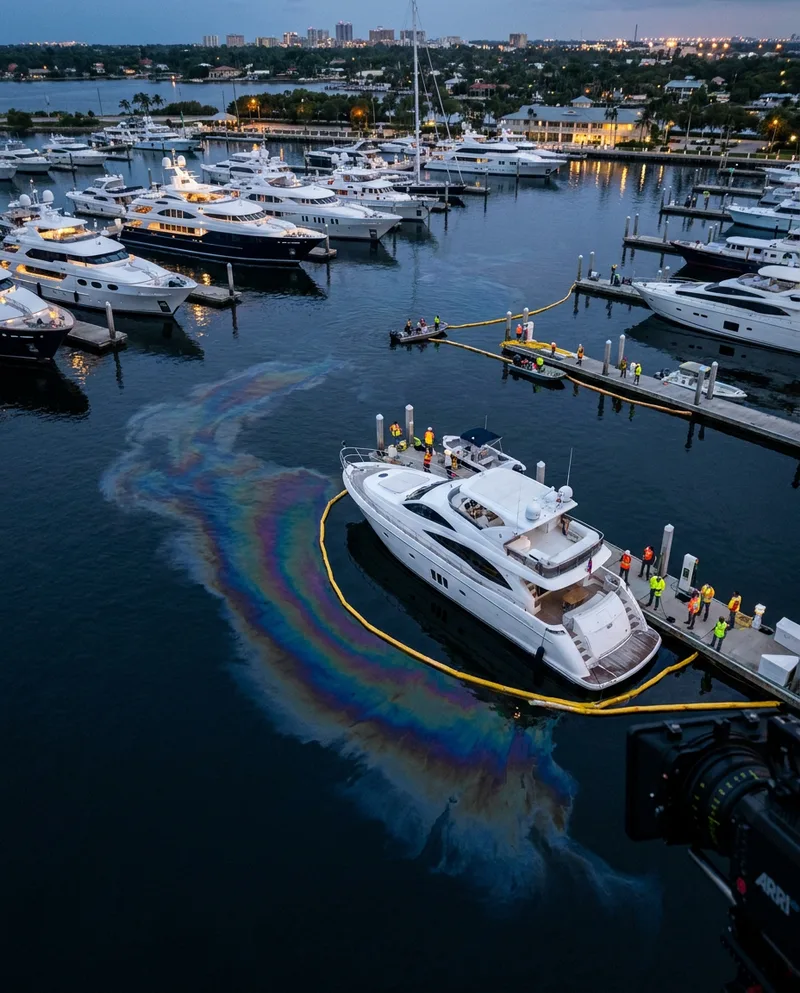
Marina pollution claims are quietly trending
Three fuel-transfer pollution claims in South Florida this quarter, all in private marinas, all triggering MOLL deductibles plus state environmental fines. What every yard operator should audit before their next renewal.
Marina operators facing pollution exposure should audit fuel-transfer equipment age and inspection records, verify statutory fine sublimits in their Marina Operators Legal Liability wording, confirm Pollution Legal Liability covers both first-party clean-up and third-party damages, and check whether defence cover sits inside or outside the policy aggregate — before their next renewal, not at claim.
What are the numbers actually showing?
Marina operators in South Florida are starting to see a pattern they do not love. Three significant pollution events in the last 90 days — all in private marinas, all involving fuel-system failures during routine yacht transfers, all triggering Marina Operators Legal Liability deductibles plus state environmental fines.
None of the events were exceptional. That is the problem. When routine operations are producing headline claims, the market re-rates the whole class.
Is fuel transfer the new headline risk?
Two of the three claims involved older transfer hoses failing during routine yacht refueling. Insurers are starting to ask harder questions about transfer equipment age, inspection cadence, staff certification, and whether the marina has a written spill response protocol that has been rehearsed in the last twelve months.
For operators renewing this year, this is where declarations are being read most carefully. A vague answer to a fuel-handling question can cost coverage.
How big are state fines relative to clean-up?
Florida's environmental penalties have stiffened in the last eighteen months. The clean-up bill is the small number; the regulatory fine is the bigger one. Most marina pollution policies cap statutory fines tightly, and a surprising number exclude civil penalties altogether once negligence is alleged.
Read your fines and penalties sublimit before renewal, not during a Notice of Violation letter.
Are yacht insurers subrogating against marinas?
Yes, and more aggressively than a year ago. Yacht insurers are pursuing recovery from marinas when they can demonstrate operator fault — even partial. The defence cost alone has been material in two of the three cases we have reviewed this quarter.
This is where the Marina Operators Legal Liability wording earns its keep, or does not. Look specifically at whether defence sits inside or outside the aggregate. Inside-the-limits defence in a subrogation matter can burn through a MOLL layer before a settlement is reached.
What should operators do before renewal?
Document the age and inspection history of every fuel transfer hose, nozzle, and pump. Review your Marina Operators Legal Liability wording for statutory fine sublimits. Confirm your Pollution Legal Liability includes both first-party clean-up and third-party damages. Check whether your defence cover sits inside or outside the policy aggregate.
The right time to find out is at quote. SRMG runs a pre-renewal audit for marina operators; it takes about a week and produces a one-page coverage map you can share with your board.
Related insights

YET is not a passport for the whole Mediterranean.
What the 2026 Superyacht Law Summit taught us about Yacht Engaged in Trade structures — and four steps to take before the 2027 season.

The Superyacht Insurance Guide: Costs, Coverage, and How Placement Works (2026)
SRMG's definitive 2026 guide to superyacht insurance — what it covers, what it costs, how agreed value works, and how placement is actually done through Lloyd's and specialty markets.
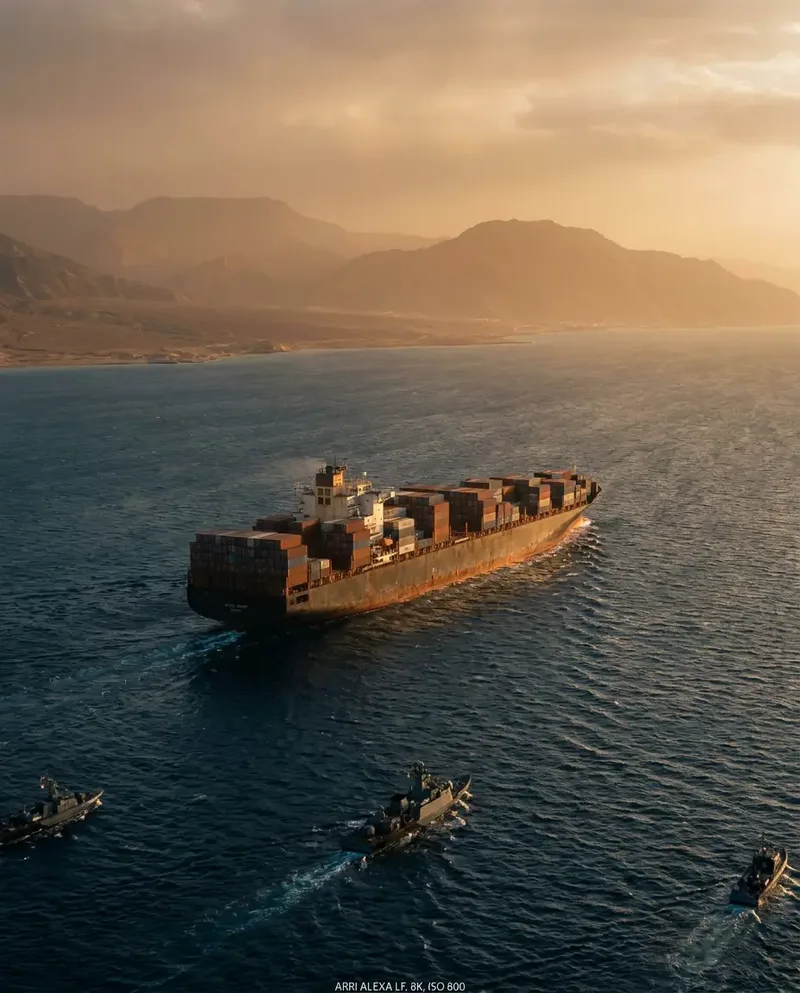
Red Sea reroutes are reshaping cargo cover
Eighteen months of Bab-el-Mandeb avoidance has turned emergency routing into a structural cost. What cargo owners need to renegotiate before the 2026 renewal cycle.
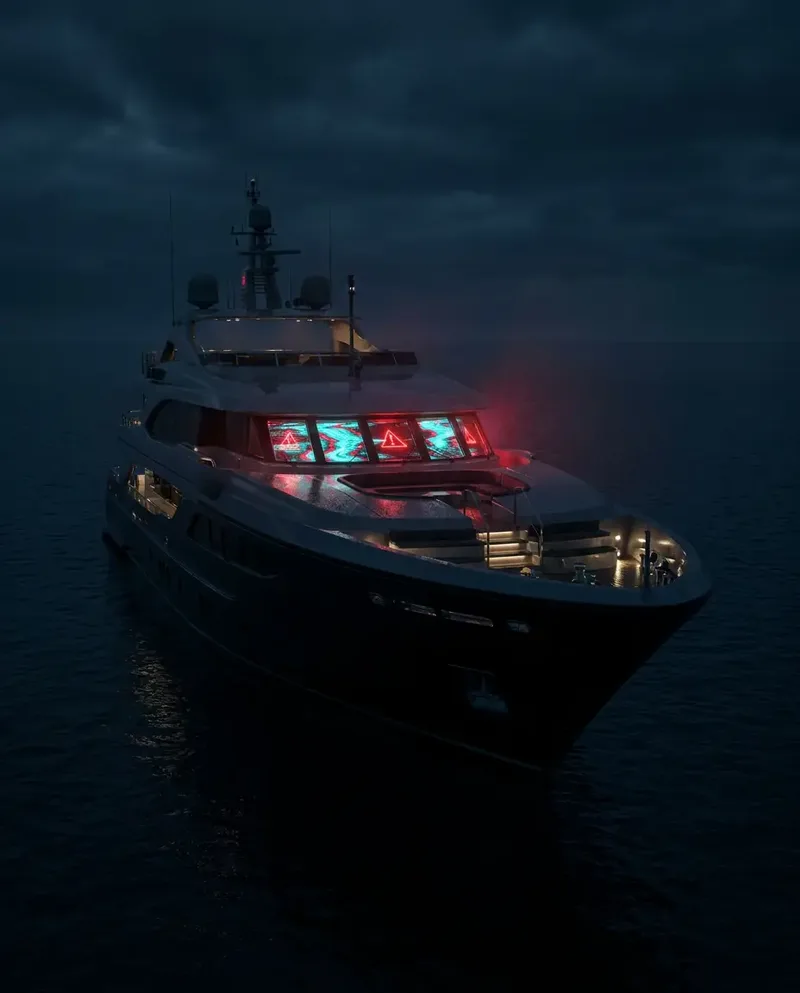
Cyber clauses no longer optional for charter operations
Onboard ECDIS spoofing incidents are now triggering claim disputes on standard marine wordings. The affirmative cyber, buy-back, and OT endorsements charter operators need before the season starts.