
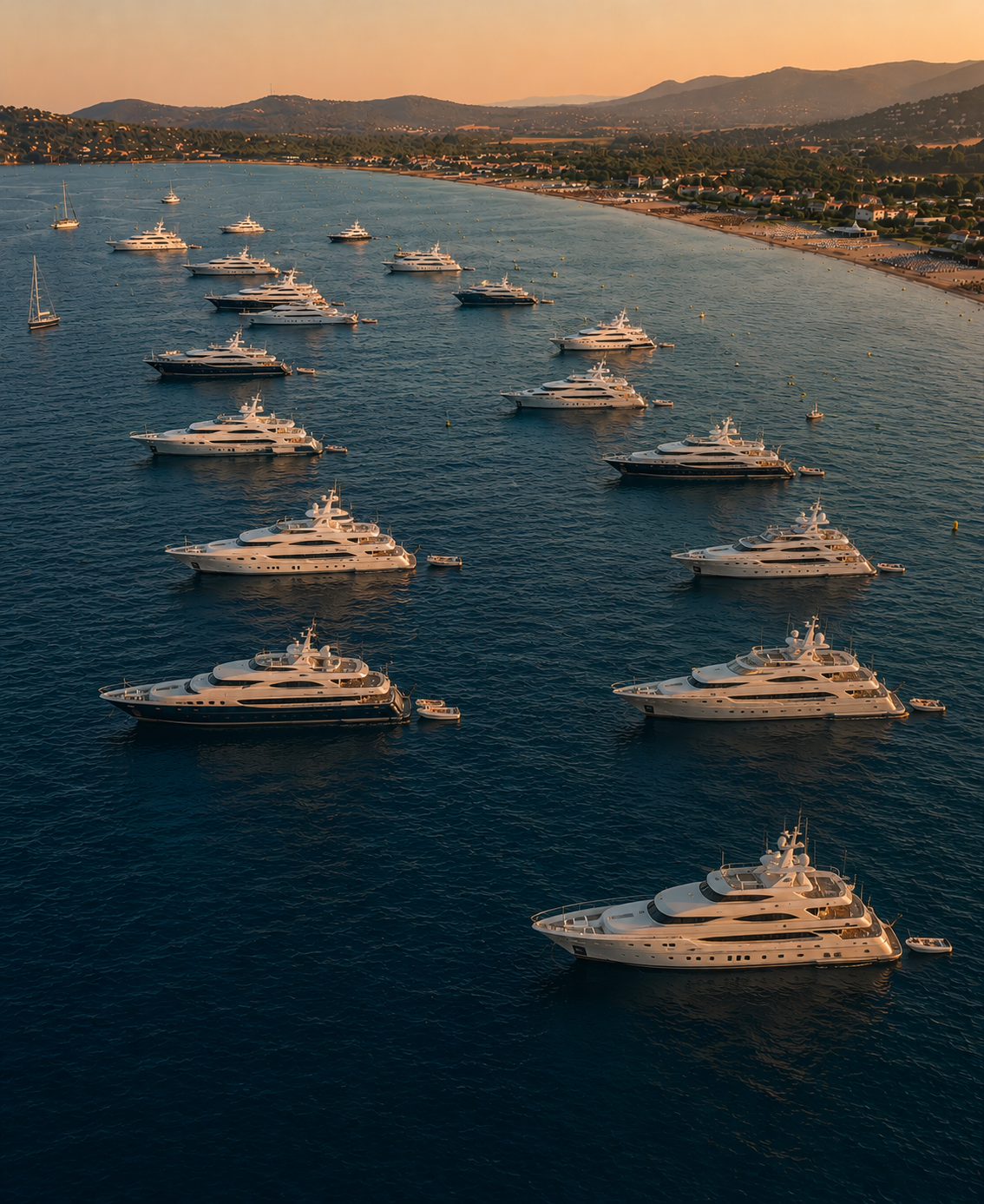
The Superyacht Insurance Guide: Costs, Coverage, and How Placement Works (2026)
SRMG's definitive 2026 guide to superyacht insurance — what it covers, what it costs, how agreed value works, and how placement is actually done through Lloyd's and specialty markets.
Superyacht insurance combines hull & machinery cover (physical damage on an agreed-value basis), protection & indemnity (third-party liability), and crew coverages, typically costing 0.15%–0.60% of the vessel's insured value per year depending on value, cruising area, use, and claims history. Cover is arranged through specialist brokers with access to Lloyd's of London and marine markets.
What does superyacht insurance actually cover?
A superyacht programme is built from several coverage parts rather than one policy. Hull & machinery (H&M) covers physical loss or damage to the vessel itself — typically on an agreed-value basis, meaning the payout figure is fixed when the policy is bound rather than assessed after a loss. Protection & indemnity (P&I) covers third-party liabilities: collision liability, wreck removal, pollution, and injury claims. Crew cover addresses medical expenses, repatriation, and employer liability — increasingly scrutinised under MLC requirements. Around these sit optional parts: tenders and toys, onboard valuables and art, charter-specific liability, war risk for certain transits, kidnap & ransom for certain cruising areas, and — increasingly — affirmative cyber cover.
How much does superyacht insurance cost?
There is no rate card; premiums are quoted per risk. As a working range, annual premiums typically fall between 0.15% and 0.60% of insured value — a $50M yacht might see $75,000 to $300,000 per year. Five factors move the number most: (1) agreed value and the vessel's age and build; (2) cruising areas — Caribbean hurricane exposure and listed-area transits price differently from the western Mediterranean; (3) use — private, charter, or hybrid arrangements carry different liability profiles; (4) claims history of both vessel and operator; and (5) crew — size, qualifications, and retention. Owners can influence cost more than they expect: lay-up periods, agreed navigation limits, higher deductibles, and documented maintenance all earn credit with underwriters.
Agreed value vs. market value: why it matters
Most quality superyacht policies are written on an agreed-value basis: the insurer and owner fix the vessel's insured value at inception, and a total loss pays that figure without depreciation arguments. Market-value policies — more common in production-boat insurance — pay the vessel's assessed value at the time of loss, which invites dispute exactly when the owner is least positioned to negotiate. For any vessel of significance, agreed value is the standard to insist on.
Does chartering change the insurance?
Yes, materially. A yacht that charters is a commercial operation while under charter: liability exposure rises, crew employment terms shift, and some private-use policy terms fall away. Programmes for charter yachts add charterers' liability considerations, passenger liability limits appropriate to the charter guest profile, and wording that addresses the handover between private and commercial use. Hybrid arrangements — owner use plus occasional charter — are where gaps most often appear, and where wording review matters most. Charter contracts increasingly also require evidence of cyber cover.
What about war risk, K&R, and cyber?
Standard marine policies exclude war perils; transits through Joint War Committee listed areas — the Red Sea being the current prominent example — require separate war-risk cover, typically bound per voyage and priced as a percentage of insured value. Kidnap & ransom cover follows similar geography and is usually coordinated with the war placement. Cyber is the newest part: hull and P&I policies commonly carry cyber exclusion clauses, while yachts run increasingly connected bridges — ECDIS, GPS, integrated navigation — that have been demonstrably spoofed. Affirmative marine cyber cover addresses what those exclusions leave out, and first-of-market wordings for bridge-system compromise are now standard on complex placements.
How placement actually works
Superyacht insurance is not bought from a website; it is placed. A specialist broker takes the risk to market: preparing the submission (vessel particulars, survey, crew matrix, cruising plans, claims record), approaching underwriters — Lloyd's syndicates and specialty carriers — negotiating terms and wordings, and binding cover. Placement quality shows in the wording detail: navigation limits that match actual cruising plans, lay-up warranties that reflect reality, crew clauses that align with employment contracts. Timing matters too — a well-prepared submission can bind in days. SRMG has bound a $180M hull placement in 96 hours against a purchase deadline, and replaced withdrawn war-risk cover in 22 hours mid-transit.
How to choose a broker
Ask five questions. Which markets can you access directly — Lloyd's and specialty marine carriers, or only retail markets? Who handles claims, and are they available at 3 a.m. in another time zone? What's your experience with vessels of this size, flag, and use profile? Will you show me the full wording, not just a summary of benefits? And how are you paid — commission, fee, or both? A broker who structures for the risk rather than sells a product will have specific answers.
Frequently asked
How much does insurance cost for a $10M yacht?
Typically in the range of $15,000–$60,000 per year depending on cruising area, use, and history — quoted per risk, not from a rate card.
Is superyacht insurance required by law?
Requirements vary by flag state and marina; P&I and wreck-removal liability are commonly required, and lenders and charter managers impose their own minimums. Most owners carry far more than the minimum because the asset exposure dwarfs the legal requirement.
Can I insure a yacht under construction?
Yes — builders' risk cover addresses the construction and trial period, usually placed alongside the shipyard's own programme, transitioning to a standard H&M/P&I programme at delivery.
Does my policy cover the Red Sea?
Usually not by default — listed-area transits require war-risk cover bound for the voyage. Check before routing, not after; cover can be arranged quickly but not retroactively.
Related insights
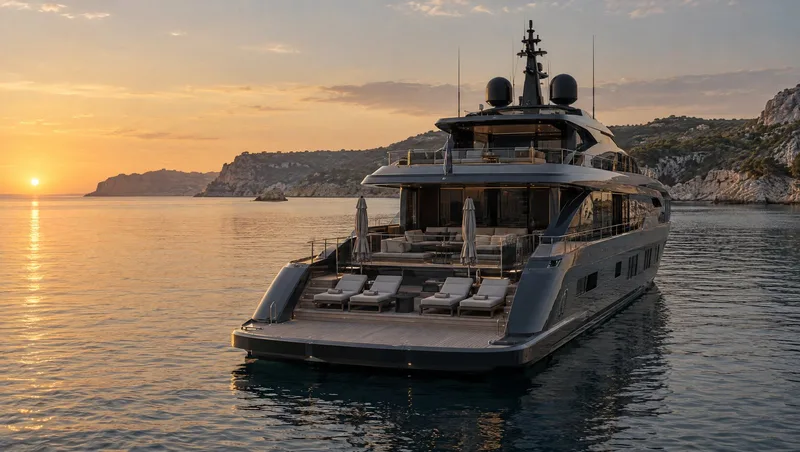
YET is not a passport for the whole Mediterranean.
What the 2026 Superyacht Law Summit taught us about Yacht Engaged in Trade structures — and four steps to take before the 2027 season.
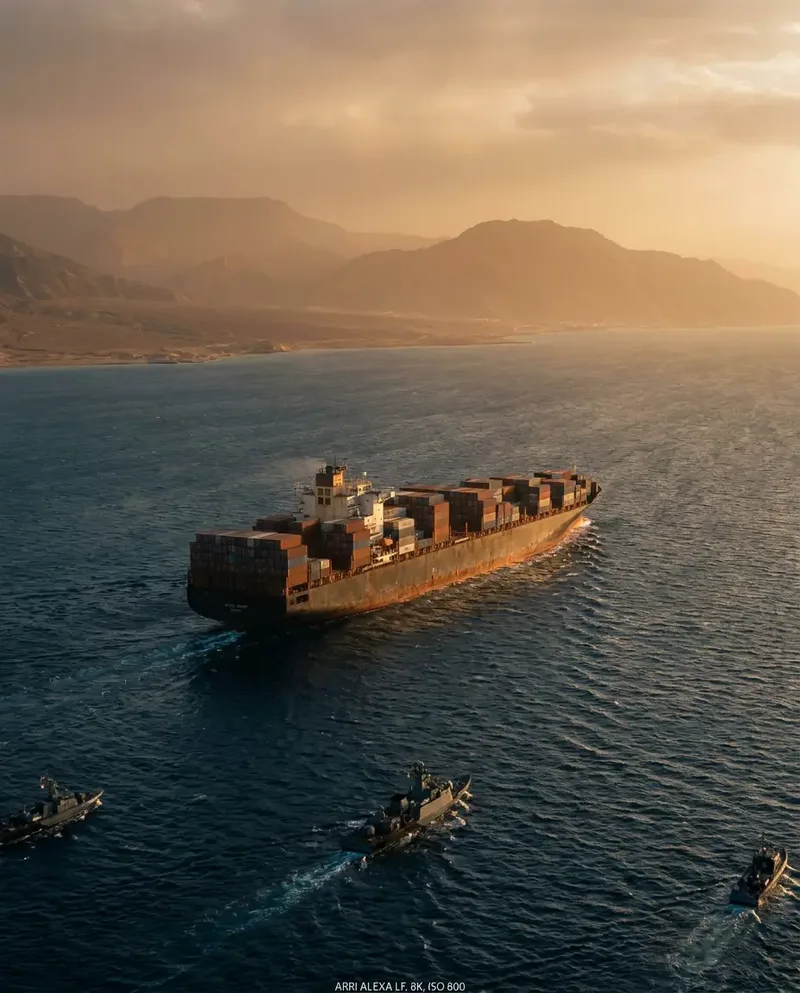
Red Sea reroutes are reshaping cargo cover
Eighteen months of Bab-el-Mandeb avoidance has turned emergency routing into a structural cost. What cargo owners need to renegotiate before the 2026 renewal cycle.
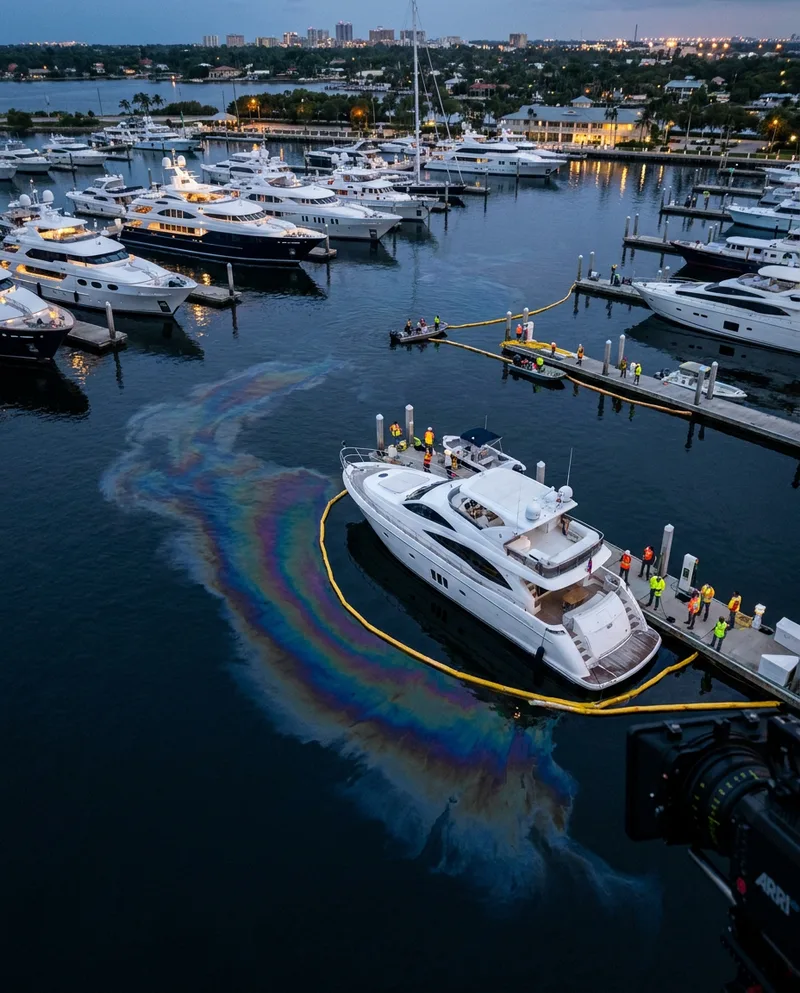
Marina pollution claims are quietly trending
Three fuel-transfer pollution claims in South Florida this quarter, all in private marinas, all triggering MOLL deductibles plus state environmental fines. What every yard operator should audit before their next renewal.
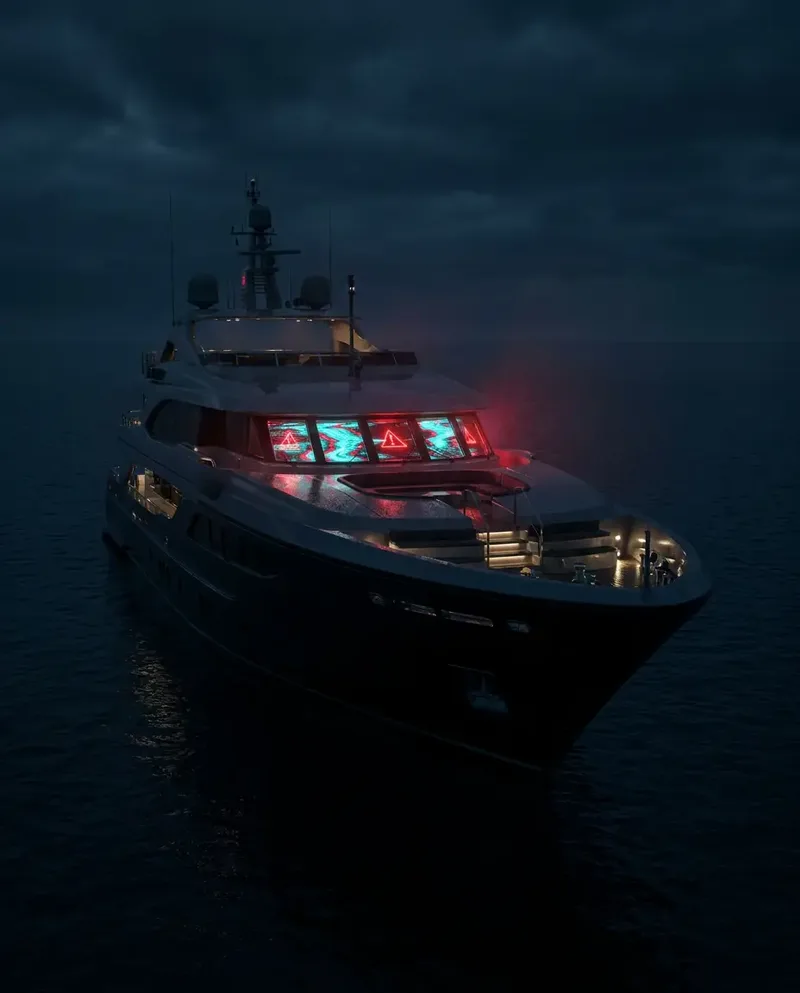
Cyber clauses no longer optional for charter operations
Onboard ECDIS spoofing incidents are now triggering claim disputes on standard marine wordings. The affirmative cyber, buy-back, and OT endorsements charter operators need before the season starts.